Introduction
Jewellery has played an important role in human civilization for thousands of years. Beyond its decorative purpose, jewellery has been used to symbolize wealth, social status, religious beliefs, cultural identity, and personal achievement. Throughout history, jewellery fashion has evolved alongside changes in society, technology, art, and culture.
From the handcrafted gold ornaments of ancient civilizations to the sophisticated diamond jewellery of the modern era, jewellery trends have reflected the values and lifestyles of each period. While materials, designs, and techniques have changed over time, the desire to adorn the body with beautiful accessories remains constant.
Understanding the history of jewellery fashion helps explain why certain styles remain timeless while others continue to inspire contemporary designers. This guide explores the evolution of jewellery fashion from ancient times to the present day.
The Origins of Jewellery
Jewellery predates written history.
Early humans created decorative items using natural materials.
First Jewellery Materials
Ancient jewellery was made from:
- Shells
- Bones
- Stones
- Wood
- Animal teeth
These materials were often worn as symbols of protection or status.
Early Purposes of Jewellery
Jewellery served several functions:
- Decoration
- Spiritual protection
- Social identification
- Symbolic communication
Even primitive jewellery carried cultural significance.
Development of Craftsmanship
As civilizations advanced, jewellery-making techniques became more sophisticated.
Metalworking transformed jewellery design forever.
Ancient Egyptian Jewellery
Ancient Egypt is one of the most influential civilizations in jewellery history.
Importance of Jewellery in Egypt
Jewellery symbolized:
- Power
- Wealth
- Religious beliefs
- Social status
Both men and women wore jewellery extensively.
Popular Materials
Egyptian artisans used:
- Gold
- Lapis lazuli
- Turquoise
- Carnelian
These materials created vibrant and luxurious designs.
Common Jewellery Styles
Popular pieces included:
- Broad collars
- Bracelets
- Rings
- Amulets
Many designs featured symbolic motifs.
Influence on Modern Jewellery
Ancient Egyptian aesthetics continue to inspire contemporary jewellery designers.
Ancient Greek Jewellery
Greek jewellery emphasized beauty, harmony, and craftsmanship.
Artistic Influence
Greek artisans created jewellery inspired by:
- Nature
- Mythology
- Architecture
These themes shaped elegant designs.
Popular Jewellery Types
Examples included:
- Earrings
- Necklaces
- Crowns
- Brooches
Detailed craftsmanship became a defining characteristic.
Use of Gold
Gold played a central role in Greek jewellery production.
Its beauty and rarity made it highly desirable.
Ancient Roman Jewellery
The Roman Empire expanded jewellery fashion significantly.
Jewellery as Status Symbols
Roman jewellery often reflected:
- Wealth
- Rank
- Political influence
Luxury accessories became increasingly important.
Popular Gemstones
Romans favored gemstones such as:
- Emeralds
- Garnets
- Pearls
These stones enhanced prestige.
Expansion of Jewellery Trade
Roman trade networks increased access to precious materials from around the world.
This diversity enriched jewellery design.
Jewellery During the Middle Ages
The Middle Ages brought new influences to jewellery fashion.
Religious Significance
Jewellery frequently featured:
- Crosses
- Saints
- Religious symbols
Faith strongly influenced design choices.
Precious Metals
Gold and silver remained dominant materials.
These metals were often reserved for nobility.
Gemstone Symbolism
Gemstones were believed to possess:
- Protective powers
- Healing properties
- Spiritual significance
These beliefs influenced jewellery selection.
Renaissance Jewellery Fashion
The Renaissance marked a period of artistic and cultural renewal.
Increased Creativity
Jewellery became more elaborate and decorative.
Designers embraced:
- Color
- Detail
- Innovation
Gemstone Popularity
Advances in gemstone cutting improved brilliance and beauty.
Jewellery became increasingly luxurious.
Influence of Art
Renaissance artists inspired jewellery designs through:
- Sculpture
- Painting
- Architecture
This artistic influence elevated craftsmanship.
Baroque Jewellery
The Baroque era emphasized grandeur and extravagance.
Characteristics of Baroque Jewellery
Features included:
- Large gemstones
- Elaborate designs
- Ornate details
Luxury became a central theme.
Pearl Popularity
Pearls became highly fashionable.
Their elegance complemented Baroque aesthetics.
Royal Influence
European royalty heavily influenced jewellery trends during this period.
Court fashion shaped consumer preferences.
Georgian Jewellery
The Georgian era introduced highly detailed craftsmanship.
Handmade Production
Jewellery was entirely handcrafted.
Artisans invested significant time into each piece.
Nature-Inspired Designs
Popular motifs included:
- Flowers
- Leaves
- Birds
Nature became a major source of inspiration.
Sentimental Jewellery
Jewellery often commemorated:
- Relationships
- Family members
- Important events
Personal meaning gained importance.
Victorian Jewellery Fashion
The Victorian era remains one of the most influential periods in jewellery history.
Influence of Queen Victoria
Fashion trends often reflected Queen Victoria’s personal style.
Her influence shaped jewellery preferences across Europe.
Romantic Jewellery
Popular themes included:
- Hearts
- Flowers
- Love symbols
These designs emphasized emotion and sentiment.
Mourning Jewellery
After the death of Prince Albert, mourning jewellery became fashionable.
Dark materials and memorial themes gained popularity.
Expansion of Jewellery Ownership
Industrial advances made jewellery more accessible to the growing middle class.
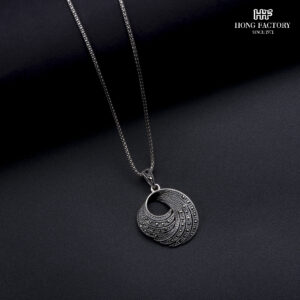
Art Nouveau Jewellery
Art Nouveau introduced artistic innovation.
Nature-Inspired Themes
Designs featured:
- Flowers
- Insects
- Flowing lines
Natural beauty became central to jewellery aesthetics.
Unique Craftsmanship
Art Nouveau artisans emphasized originality over traditional luxury.
Creative expression became a priority.
Lasting Influence
Many modern designers continue to draw inspiration from Art Nouveau jewellery.
Art Deco Jewellery
Art Deco emerged during the 1920s and 1930s.
Geometric Design
Characteristics included:
- Sharp lines
- Symmetry
- Bold patterns
These features reflected modernity.
Popular Materials
Art Deco jewellery frequently incorporated:
- Diamonds
- Platinum
- Colored gemstones
These materials enhanced visual impact.
Modern Appeal
Art Deco remains one of the most popular vintage jewellery styles today.
Mid-Century Jewellery Fashion
Post-war prosperity influenced jewellery trends.
Elegant Simplicity
Designs became more wearable and practical.
Consumers sought everyday luxury.
Celebrity Influence
Film stars and public figures helped popularize jewellery styles.
Their influence expanded consumer demand.
Growth of Diamond Jewellery
Diamonds became increasingly associated with romance and luxury.
This association continues today.
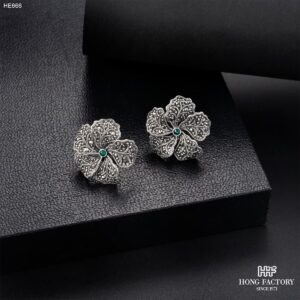
Contemporary Jewellery Fashion
Modern jewellery embraces diversity and personal expression.
Variety of Styles
Current trends include:
- Minimalist jewellery
- Statement pieces
- Personalized jewellery
- Sustainable jewellery
Consumers enjoy unprecedented choice.
Technology and Innovation
Advances in manufacturing have introduced:
- Lab-grown diamonds
- 3D printing
- Modern materials
These innovations expand creative possibilities.
Global Influences
Design inspiration now comes from cultures worldwide.
International trends shape contemporary fashion.
Evolution of Jewellery Materials
Materials have changed significantly over time.
Traditional Materials
Historically popular materials include:
- Gold
- Silver
- Pearls
- Gemstones
These remain relevant today.
Modern Materials
Contemporary designers use:
- Titanium
- Stainless steel
- Resin
- Recycled metals
Innovation continues to expand options.
Sustainable Materials
Environmental awareness encourages the use of:
- Recycled gold
- Ethical gemstones
- Lab-grown diamonds
Sustainability influences purchasing decisions.
Jewellery as a Symbol Throughout History
Jewellery has always carried meaning.
Social Status
Many societies used jewellery to indicate:
- Wealth
- Power
- Rank
Status remains a factor today.
Love and Commitment
Jewellery often symbolizes:
- Marriage
- Romance
- Family bonds
These meanings contribute to lasting popularity.
Cultural Identity
Traditional jewellery reflects cultural heritage and customs.
These connections remain important worldwide.
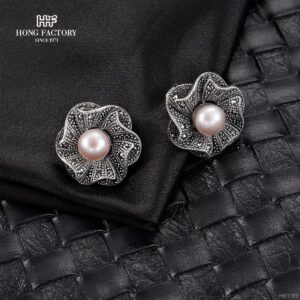
Influence of Historical Styles on Modern Jewellery
Many contemporary trends draw inspiration from historical periods.
Vintage Revival
Designers frequently revisit:
- Victorian styles
- Art Deco motifs
- Renaissance details
Historical aesthetics continue to inspire innovation.
Timeless Elements
Certain features remain consistently popular:
- Gold
- Diamonds
- Pearls
- Nature motifs
These elements transcend generations.
Blending Old and New
Modern jewellery often combines traditional craftsmanship with contemporary design.
This fusion appeals to diverse consumers.
Collecting Historical Jewellery
Vintage and antique jewellery continue to attract collectors.
Why Historical Jewellery Is Valuable
Benefits include:
- Craftsmanship
- Rarity
- Historical significance
Collectors appreciate both beauty and heritage.
Popular Collecting Categories
Examples include:
- Victorian jewellery
- Art Deco jewellery
- Georgian jewellery
These styles remain highly sought after.
Future of Jewellery Fashion
Jewellery fashion continues to evolve.
Emerging trends include:
- Sustainability
- Personalization
- Ethical sourcing
- Digital design
Technology and consumer values will shape future developments.
Despite these changes, jewellery’s fundamental role remains unchanged.
Conclusion
Jewellery fashion through history reflects humanity’s enduring fascination with beauty, symbolism, and self-expression. From the simple ornaments of early civilizations to the sophisticated designs of the modern era, jewellery has evolved alongside culture, technology, and artistic innovation.
Understanding historical jewellery trends provides valuable insight into contemporary fashion and highlights the timeless appeal of precious materials and skilled craftsmanship. As new trends emerge, the rich history of jewellery continues to inspire designers and collectors around the world.
