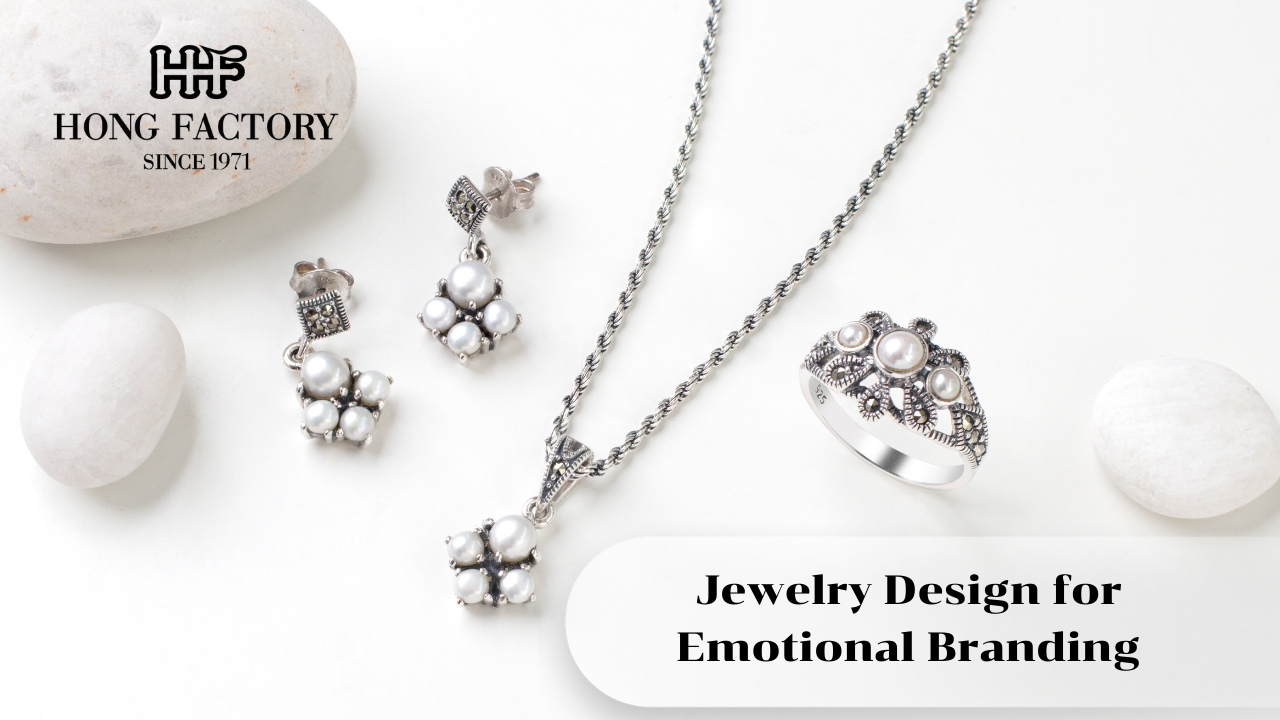
Emotional branding sits at the heart of successful jewelry businesses. Jewelry is not purchased only for aesthetics—it is chosen for meaning, memory, and identity. For silver and marcasite jewelry brands, jewelry design for emotional branding transforms products into symbols of love, confidence, heritage, and personal milestones. marcasite jewelry
This article explains how jewelry design can intentionally build emotional branding, helping brands create deeper customer connections, stronger loyalty, and long-term value.
Why Emotional Branding Is Essential in Jewelry
Jewelry carries emotional weight.
Unlike many consumer goods, jewelry is:
- Worn close to the body
- Connected to relationships and memories
- Passed down or kept for years
Design that evokes emotion creates lasting attachment.
Understanding Emotional Branding in Design
Emotion is designed through intention.
Emotional branding in jewelry focuses on:
- How the wearer feels
- What the piece represents
- How it aligns with personal identity
Every design decision influences emotional response.
Key Emotions Jewelry Design Can Communicate
Different designs evoke different feelings.
Common emotional themes include:
- Love and connection
- Confidence and empowerment
- Comfort and nostalgia
- Celebration and achievement
- Protection and belonging
Strong brands consistently design around a clear emotional focus.
Using Silver to Support Emotional Branding
Silver feels personal and sincere.
Sterling silver is associated with:
- Honesty and authenticity
- Timelessness and trust
- Everyday intimacy
Silver jewelry often becomes part of daily life, strengthening emotional bonds.
Marcasite and Emotional Depth
Marcasite brings quiet emotion.
Marcasite jewelry adds:
- Vintage romance
- Nostalgic elegance
- A sense of craftsmanship and care
Its subtle sparkle feels meaningful rather than showy.
Symbolism as an Emotional Design Tool
Symbols communicate without words.
Jewelry designers often use:
- Hearts and infinity symbols for love
- Floral motifs for growth and renewal
- Celestial elements for hope and guidance
- Geometric balance for stability
Subtle symbolism allows wearers to create personal meaning.
Designing Jewelry That Feels Personal
Personal connection strengthens emotion.
Design approaches that feel personal include:
- Minimalist forms adaptable to many styles
- Space for engraving or customization
- Timeless designs that age gracefully
Jewelry that feels personal becomes emotionally irreplaceable.
Emotional Branding Through Wearability
Comfort builds attachment.
Emotionally successful jewelry:
- Feels comfortable and balanced
- Fits seamlessly into daily routines
- Can be worn repeatedly without fatigue
Uncomfortable jewelry weakens emotional connection.
Jewelry Design for Gifting and Emotional Moments
Gifting amplifies emotional value.
Emotion-driven gift jewelry should:
- Feel timeless rather than trend-based
- Carry clear symbolic meaning
- Suit a wide range of personal styles
Silver and marcasite perform especially well in emotional gifting.
Emotional Branding Across Life Stages
Emotion evolves over time.
Brands can design for:
- Early relationships and milestones
- Career growth and self-confidence
- Family, remembrance, and legacy
Designing for life stages builds lifetime customer loyalty.
Storytelling as Emotional Reinforcement
Stories deepen emotional impact.
Design-supported storytelling may include:
- Inspiration behind motifs
- Craftsmanship and heritage narratives
- Customer stories and shared moments
Authentic stories strengthen emotional branding.
Emotional Branding in Digital Jewelry Experiences
Emotion must translate online.
Designs that support emotional branding digitally:
- Photograph warmly and clearly
- Feel relatable in lifestyle imagery
- Pair well with emotional language
Visual emotion drives online engagement.
Consistency in Emotional Design Language
Consistency builds trust and memory.
Brands should maintain:
- Repeating emotional themes
- Familiar design elements
- Predictable quality and feel
Consistency strengthens emotional recognition.
Avoiding Common Emotional Branding Mistakes
Forced emotion feels inauthentic.
Mistakes to Avoid
- Overly literal symbolism
- Emotional claims unsupported by quality
- Inconsistent emotional messaging
Authenticity is essential for trust.
Measuring Emotional Branding Success
Emotion appears in behavior.
Brands can evaluate emotional branding through:
- Repeat purchases
- Emotional language in reviews
- Gifting frequency
Emotion-driven brands inspire advocacy.
Long-Term Value of Emotional Branding
Emotion compounds brand equity.
Brands that master emotional branding:
- Reduce price sensitivity
- Increase customer lifetime value
- Build multi-generational loyalty
Emotional design becomes a long-term asset.
Conclusion
Jewelry design for emotional branding focuses on how people feel, not just what they see. By using emotionally resonant materials like silver and marcasite, applying symbolism with restraint, prioritizing comfort, and supporting design with authentic storytelling, jewelry brands can create deep emotional connections. In a competitive market, emotional branding turns jewelry into a meaningful part of someone’s life—not just a product.
