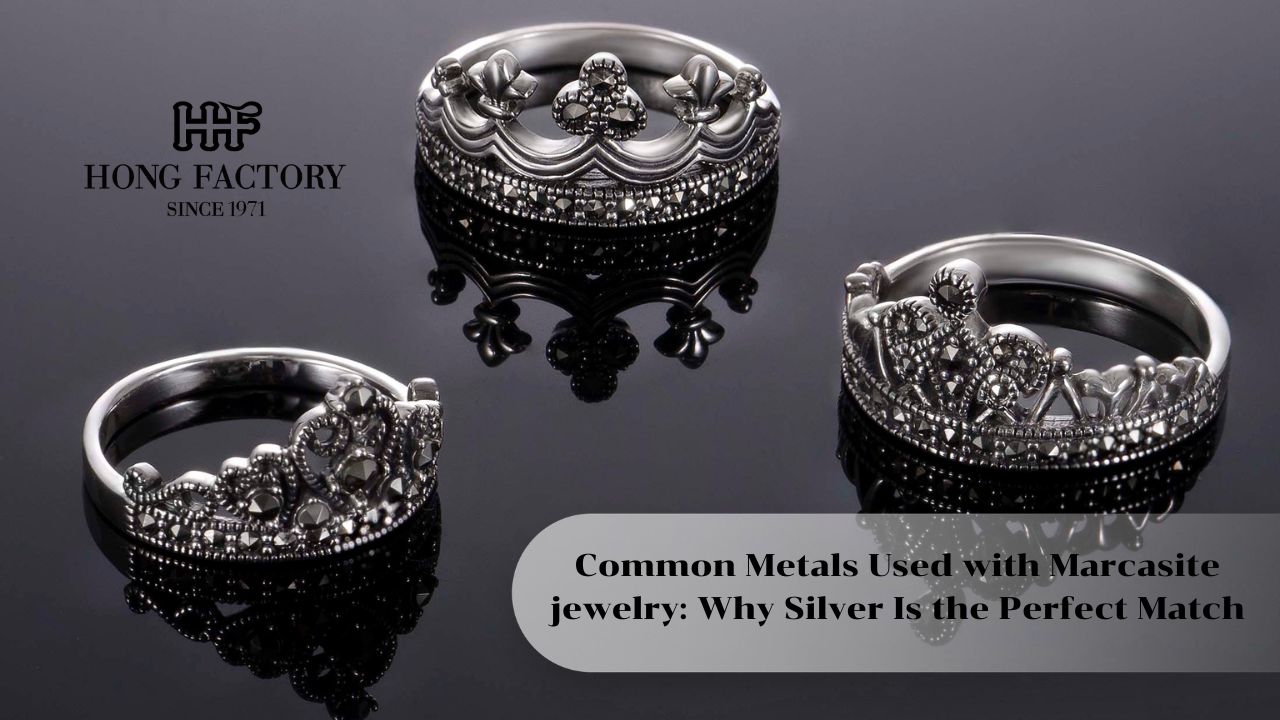
Marcasite jewelry is known for its elegant sparkle and vintage charm, but its beauty is also shaped by the metals used to hold each carefully faceted stone. While marcasite can technically be paired with several metals, not all provide the same durability, shine, or aesthetic appeal. This article explores the most common metals used with marcasite jewelry, why certain metals are preferred, and how each one influences the final look and quality of the jewelry. Titanium earrings for sensitive ears
Why Metal Choice Matters in Marcasite Jewelry
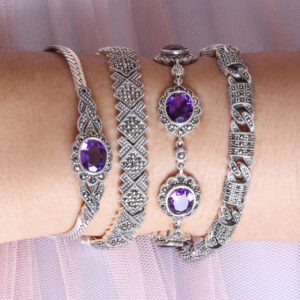
The metal used in marcasite jewelry affects:
- Durability and longevity
- Overall shine and contrast
- Comfort and wearability
- Resistance to tarnish
- Design possibilities and craftsmanship
Because marcasite stones are small, detailed, and often arranged in intricate patterns, the metal must also support precise settings and enhance brilliance.
Sterling Silver: The Most Popular Metal for Marcasite
Sterling silver (92.5% pure silver) is the number one metal used with marcasite—and for good reason.
Why sterling silver is the perfect match:
- Complements marcasite’s cool metallic shine
- Strong enough to hold micro-sized stones
- Easy to oxidize for vintage effects
- Affordable compared to gold and platinum
- Hypoallergenic for most wearers
Visual appeal:
Silver enhances marcasite’s sparkle without overpowering it. The combination gives jewelry a classic antique appearance.
Sterling silver marcasite jewelry is widely known for its timeless, elegant aesthetic.
Oxidized Silver: Enhancing the Antique Look
Oxidized silver is intentionally darkened to create contrast.
Benefits of using oxidized silver:
- Highlights marcasite’s shine
- Adds depth to intricate designs
- Enhances vintage and gothic styles
- Creates a more dramatic appearance
This pairing is very common in Art Deco and Victorian-style marcasite jewelry.
Pure Silver (Fine Silver)
Fine silver (99.9% pure silver) is softer than sterling silver, so it is less commonly used, but still appears in high-end marcasite pieces.
Pros:
- Extremely bright and shiny
- Hypoallergenic
- Beautiful smooth finish
Cons:
- Softer and more vulnerable to scratches
- Not ideal for heavy stone settings
Fine silver is mainly chosen for delicate marcasite pendants or earrings.
Stainless Steel
Stainless steel is occasionally used in modern marcasite jewelry.
Benefits:
- Strong and durable
- Tarnish-resistant
- Affordable and modern-looking
Drawbacks:
- Harder to set micro-stones
- Less flexible for detailed or vintage designs
It is mostly used in contemporary fashion marcasite pieces.
Brass
Brass provides a warm, golden tone that creates a different aesthetic from silver.
Advantages:
- Budget-friendly
- Lightweight
- Easy to shape
Disadvantages:
- Tarnishes more quickly than silver
- Can cause skin reactions for sensitive wearers
- Less durable long-term
Brass marcasite jewelry is typically seen in costume or fashion jewelry.
Copper
Copper is rarely used as a primary metal for marcasite but can appear in mixed-metal designs.
Pros:
- Unique reddish tone
- Soft and easy to shape
Cons:
- Oxidizes quickly (turns green)
- Not ideal for securing small, faceted stones
Copper is mostly used for artistic or bohemian marcasite designs.
Rhodium-Plated Silver
Some marcasite jewelry uses rhodium-plated silver for increased durability.
Benefits:
- Prevents tarnish
- Adds a bright, reflective finish
- Strengthens sterling silver’s surface
Consideration:
- Rhodium can make the metal look slightly whiter than traditional silver
This plating helps marcasite jewelry maintain its shine longer.
White Gold
White gold provides a luxurious upgrade to marcasite jewelry but is less common due to cost.
Pros:
- Elegant and bright
- Extremely durable
- Tarnish-resistant
Cons:
- Expensive for marcasite settings
- Usually reserved for fine jewelry pieces
White gold marcasite jewelry is rare but stunning.
Platinum
Platinum is the most premium metal used with marcasite—though extremely uncommon.
Advantages:
- Very strong and long-lasting
- Naturally white and bright
- Hypoallergenic
Disadvantages:
- Very high cost
- More often chosen for diamonds rather than marcasite
Platinum is used only in exclusive designer collections.
Mixed-Metal Designs
Some contemporary marcasite jewelry blends multiple metals for creative effects.
Examples include:
- Silver + brass
- Silver + gold plating
- Silver + copper details
These combinations provide visual contrast and modern appeal.
How Metal Choice Affects Jewelry Style
Different metals influence the final appearance:
- Silver → classic, vintage, elegant
- Oxidized silver → dramatic, antique, textured
- Brass → warm, bohemian, earthy
- Stainless steel → modern, clean, durable
- White gold → luxurious, premium, bright
Marcasite’s smoky metallic tones pair best with cooler metals—especially silver.
Durability Considerations
The metal must hold dozens of small marcasite stones securely.
Best durability options:
- Sterling silver
- Rhodium-plated silver
- Stainless steel
Weaker metals like brass or pure copper are more prone to bending or stone loss.
Why Sterling Silver Remains the Industry Standard
Among all metals, sterling silver consistently proves to be the most:
- Durable
- Versatile
- Affordable
- Aesthetically complementary
It enhances marcasite’s shine better than any other option.
Conclusion
While marcasite can be paired with a range of metals, sterling silver remains the most popular and ideal choice due to its balance of beauty, strength, affordability, and compatibility with marcasite’s signature sparkle. Whether combined with oxidized finishes, plated materials, or modern metals, marcasite always finds its perfect match in silver.
In the next article, we will explore essential jewelry terminology related to marcasite—helping readers understand the craftsmanship and technical details behind this timeless style.
